How Long Should You Stand at a Standing Desk? The Sit-Stand Rhythm That Actually Works
As an Amazon Associate I earn from qualifying purchases. Prices and availability are accurate as of the date/time indicated and are subject to change.
🔍 How this guide was put together (Editorial Standards)
This guide compares options using published manufacturer specifications, patterns in publicly visible owner reviews, and reputable expert sources. We do not operate a physical testing lab; see our how-we-research page for details.
EDITOR'S PICKS
Top Picks
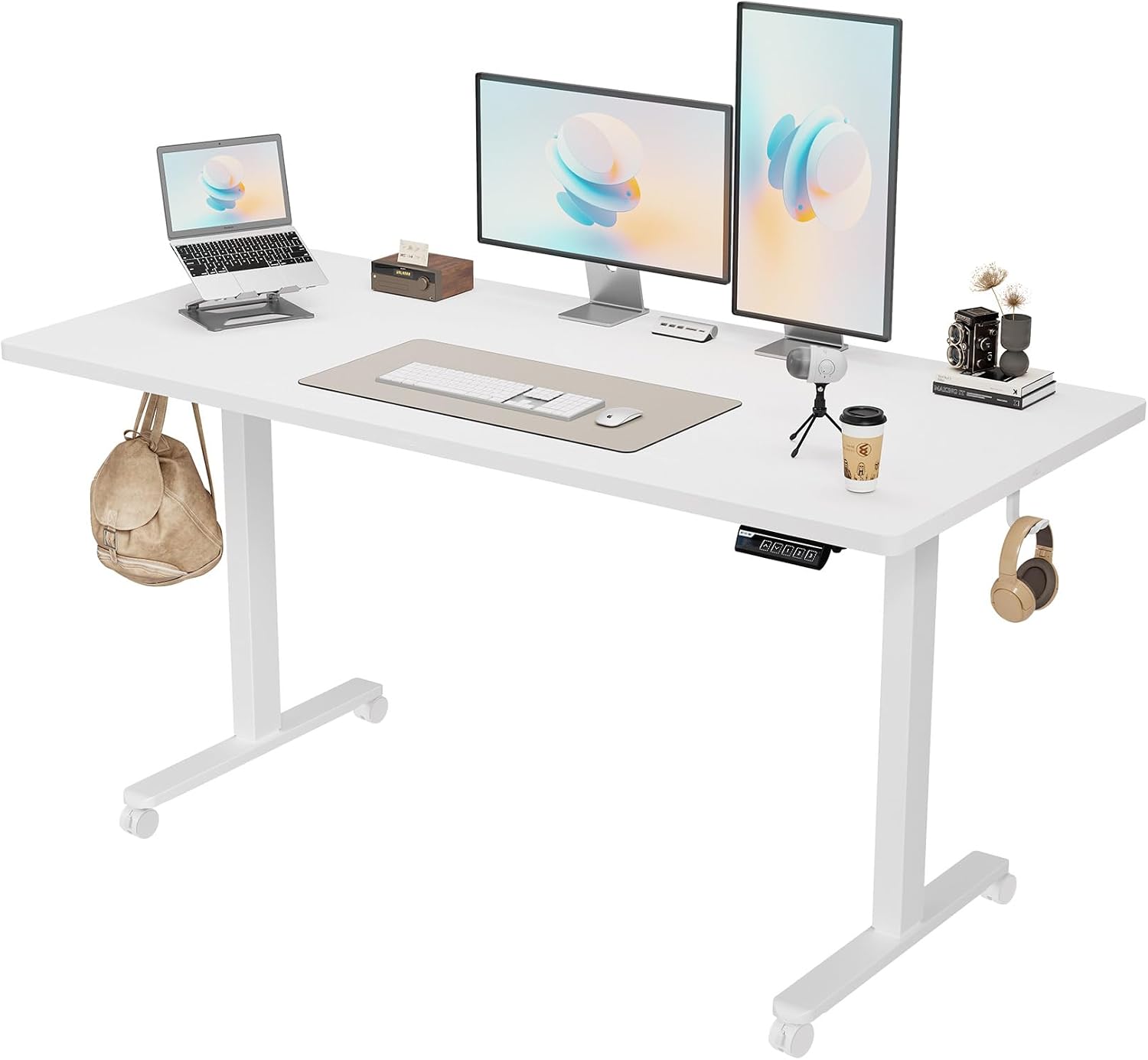
The most common standing-desk mistake isn’t buying the wrong desk — it’s standing at it all day. A standing desk isn’t a “stand instead of sit” tool; it’s an “alternate between the two” tool, and standing rigidly for eight hours can trade back pain for foot, leg, and lower-back pain instead. The benefit was never standing itself — it’s breaking up static posture and moving more. Here’s how long to actually stand, and the rhythm that makes it stick.
The goal is alternating, not standing
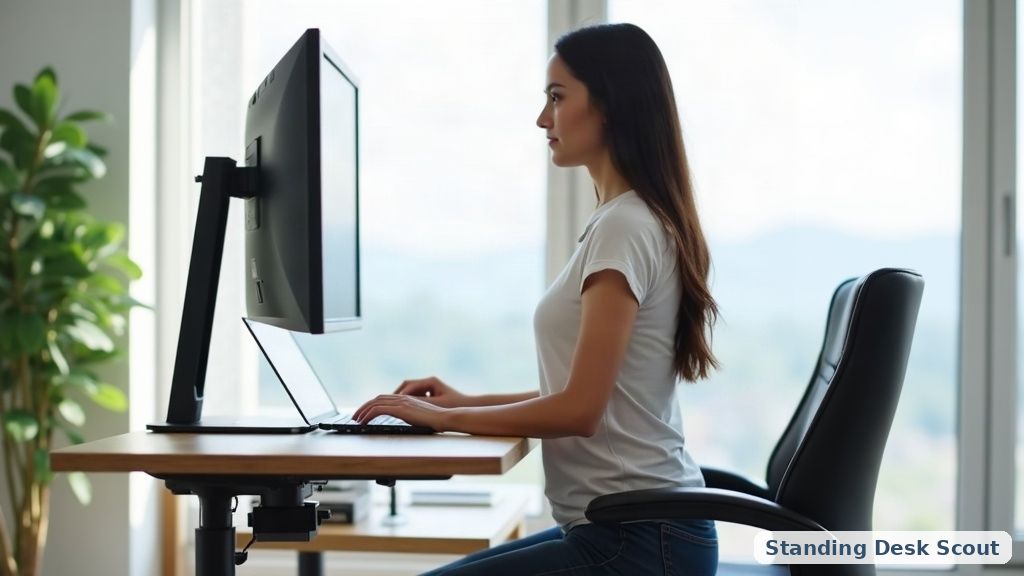
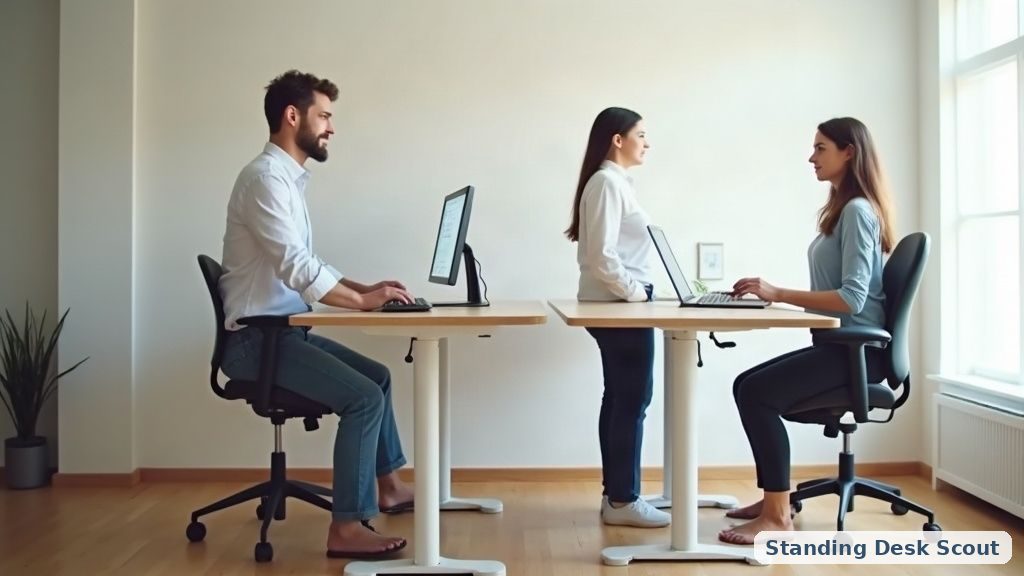
Health and ergonomics bodies that have looked at sit-stand work (including occupational-health resources like CCOHS) land on the same idea: neither prolonged sitting nor prolonged standing is good — the win is regularly changing position. Standing still all day loads your joints and circulation in its own unhealthy way. So the target isn’t “maximize standing time,” it’s “minimize how long you hold any one posture.”
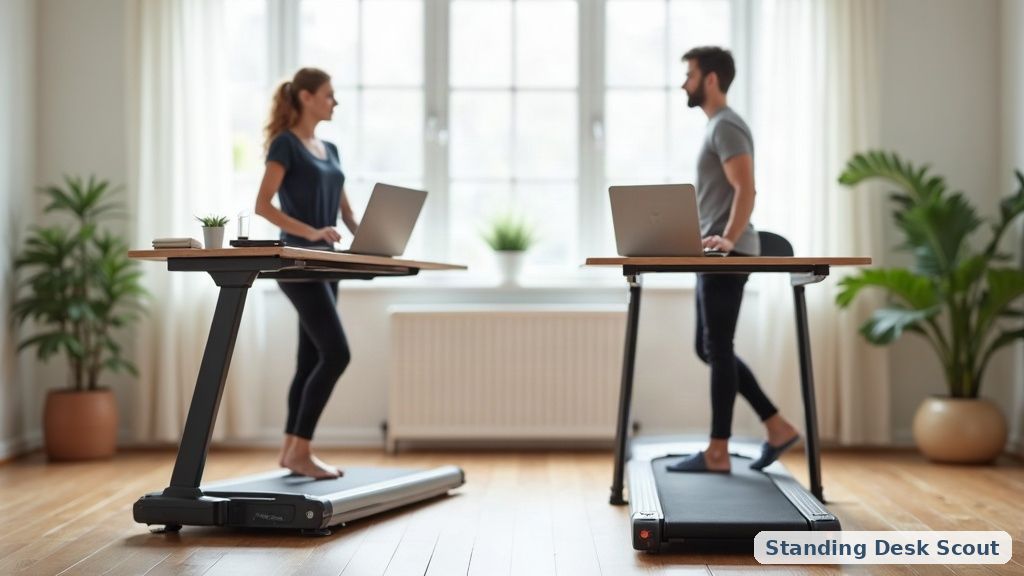
A practical starting rhythm
A widely cited, sensible starting point is roughly a 1:1 to 2:1 sit-to-stand ratio across the day — for example, alternate about every 30–60 minutes, aiming for a couple of hours of standing total spread out, not in one block. Treat those numbers as a start line, not a rule:
- Change position before you’re uncomfortable, not after. Aches mean you held it too long.
- Ease in. If you’re new to standing, start with 15–20 minutes per hour and build up over weeks; going straight to hours of standing is how people get sore and give up.
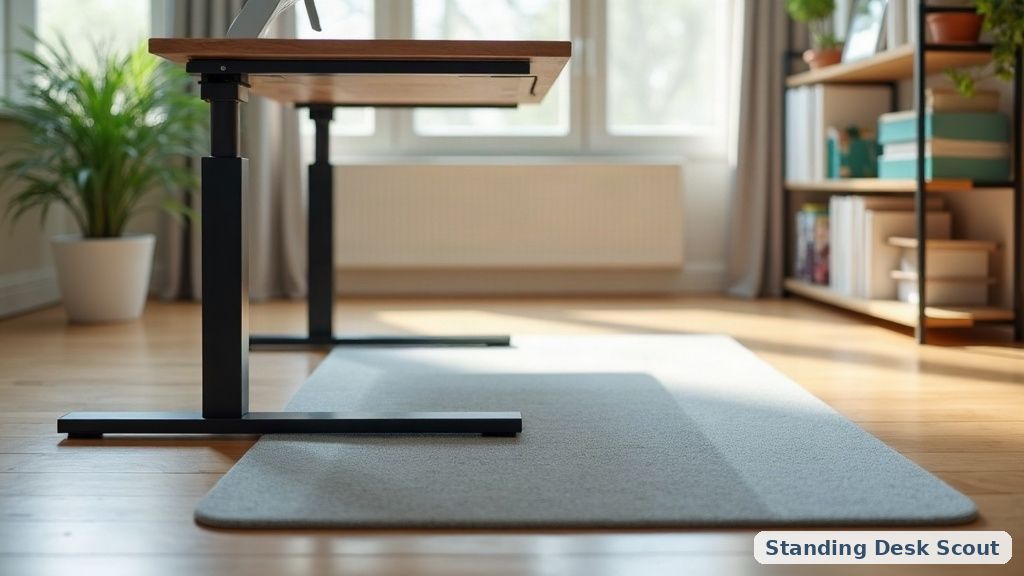
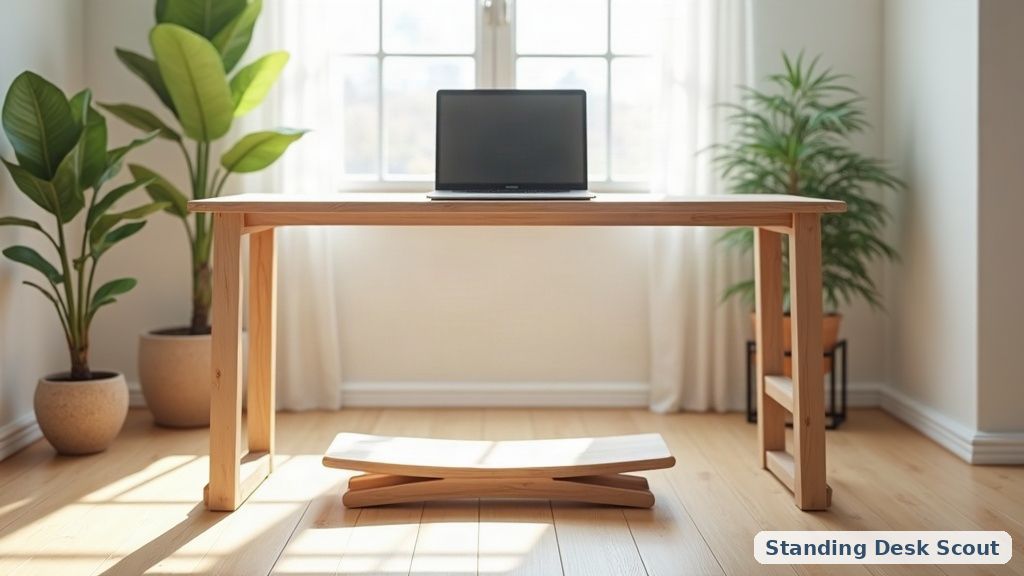
- Add micro-movement. Shift weight, use an anti-fatigue mat, take short walks. Movement, not the standing itself, is where the benefit lives.
How long should a beginner stand at a standing desk?
Start small: about 15–20 minutes of standing per hour, then sit or move. Build up gradually over a few weeks. Jumping to two-hour standing stretches on day one usually leads to sore feet and a desk that goes back to permanently-seated. The point is sustainable alternating, not a standing endurance record.
Is standing all day at a standing desk bad?
Yes, it can be. Prolonged standing has its own documented downsides — foot and leg fatigue, lower back and joint load, and circulation issues. The desk’s value is letting you switch, so use it to switch. If you find yourself standing all day out of guilt, you’ve missed the point.
What makes a sit-stand rhythm actually stick?
Friction is the enemy. If changing height is a chore, you won’t do it — which is why one-press memory presets (on desks like the Monomi) matter more than they sound: tap to stand, tap to sit, no fiddling. Pair that with a recurring reminder for the first few weeks until the rhythm is a habit. Get the desk height right first with our standing desk height guide.
Does a standing desk burn many calories?
A little, but don’t buy one for weight loss — the calorie difference between sitting and standing is modest. The real, better-supported benefits are less static posture, more movement, and often less back and neck stiffness. Frame it as “move more,” not “burn fat.”
📚 Related In-Depth Analysis
- Compare findings with our guide on Best Electric Standing Desk.
- Compare findings with our guide on Standing Desk Height Guide.
📚 Related In-Depth Analysis
- Compare findings with our guide on Balance Board Standing Desk.
- Compare findings with our guide on Standing Desk Vs Treadmill Desk.
🔧 Interactive Planning Tool
Need exact measurements for your setup? Use our Ergonomic Desk & Monitor Sizing Engine to Calculate standing and sitting desk height ranges based on your exact body stature.
Putting it together
Don’t chase standing hours — chase changing position often. Alternate roughly every 30–60 minutes, ease in gradually, keep moving while you stand, and let one-press presets remove the friction. The healthiest standing-desk user isn’t the one who stands longest; it’s the one who sits still the least. Not sure your desk fits the job? Start with the best electric standing desk picks.
Related: Standing desk stretches & exercises