How to Transition to a Standing Desk Without Pain (2026)
As an Amazon Associate I earn from qualifying purchases. Prices and availability are accurate as of the date/time indicated and are subject to change.
🔍 How this guide was put together (Editorial Standards)
This guide compares options using published manufacturer specifications, patterns in publicly visible owner reviews, and reputable expert sources. We do not operate a physical testing lab; see our how-we-research page for details.
EDITOR'S PICKS
Top Picks


Plenty of people buy a standing desk, stand all day for a week, get sore feet and an aching back, and go right back to sitting full-time. The desk wasn’t the problem — the transition was. Standing all day is its own physical load your body has to adapt to, exactly like starting any new activity. Ramp up gradually with the right setup and the switch sticks; go all-in on day one and it won’t.
Why “just stand all day” fails
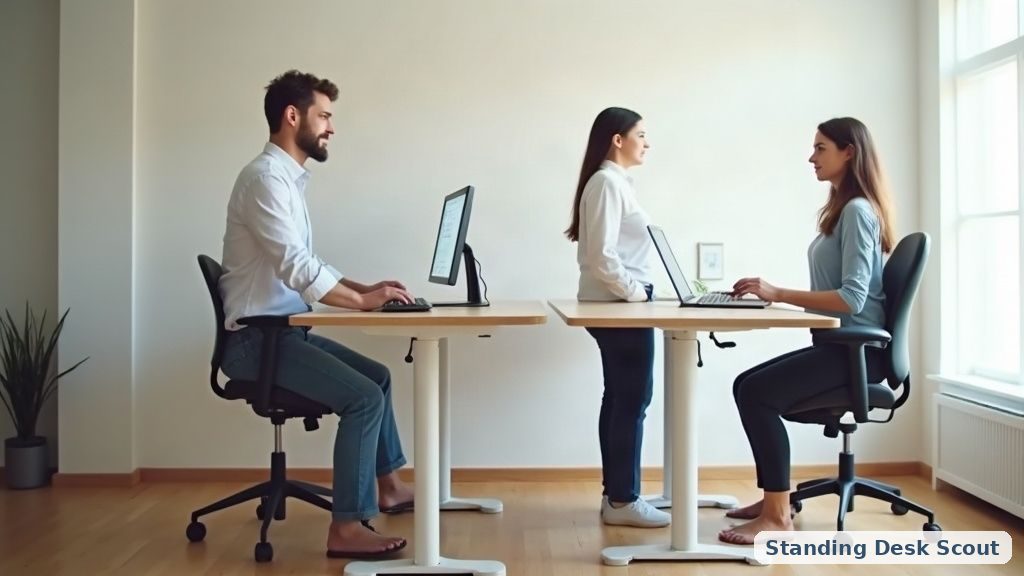
Sitting and standing stress the body differently. Standing for hours before you’re conditioned loads your feet, calves, knees, and lower back, causing fatigue and pain that makes you quit. The goal isn’t to stand all day — it’s to alternate sitting and standing so neither posture is held too long. Static anything (all sitting or all standing) is the real enemy; movement between the two is the win.
The week-by-week ramp
| Week | Standing target | Rhythm |
|---|---|---|
| Week 1 | ~15–30 min per hour | Stand for a task, sit to rest |
| Week 2 | ~30 min per hour | Alternate ~30 sit / 30 stand |
| Week 3 | Up to ~45 min standing per hour | Sit before fatigue, not after |
| Week 4+ | Comfortable mix, ~50/50 | Switch whenever you feel stiff |
These targets are a general starting point, not medical advice — adjust to how your body feels, and check with a professional if you have a back or circulation condition. The key rule: change position before you get sore, not after. Chasing a “stand longer” score is how people hurt themselves. Our how long should you stand guide covers the sit-stand ratio in more depth.
How do I set the desk height correctly?
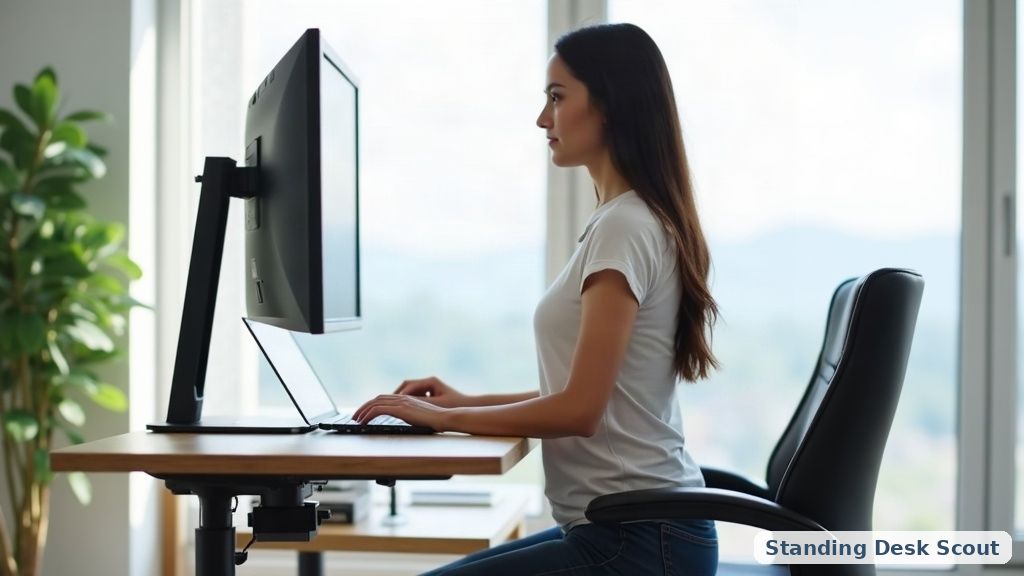
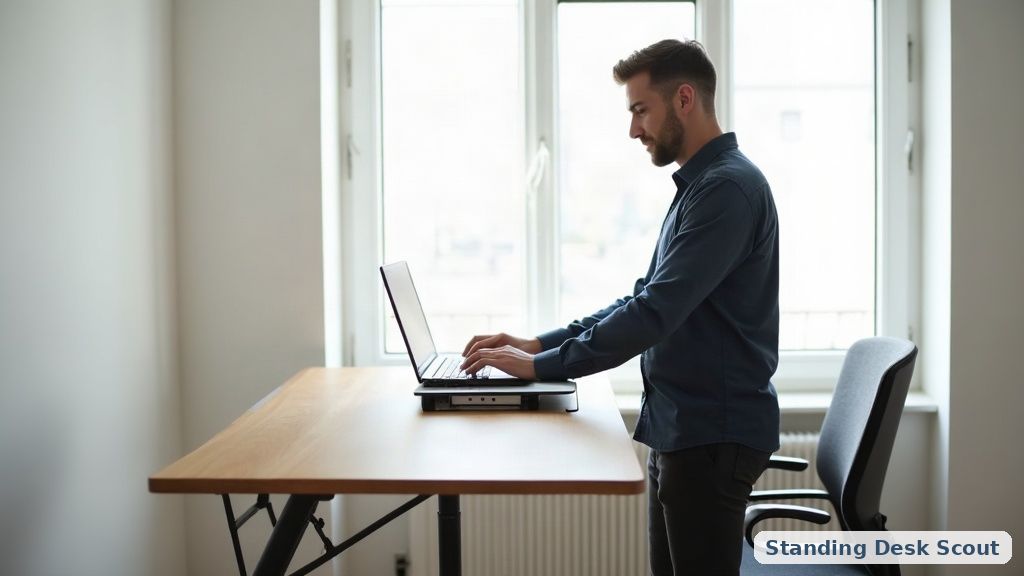
Bad ergonomics causes more standing-desk pain than standing itself. Set it so:
- Elbows at ~90°, forearms parallel to the floor when typing.
- Monitor top at or just below eye level, about an arm’s length away.
- Wrists straight, not bent up or down.
If the desk is too high you’ll shrug and strain your shoulders; too low and you’ll hunch. Get the exact numbers in our standing desk height guide. A desk that changes height smoothly makes it easy to nail both your sitting and standing positions.
Why do my feet and legs hurt when standing?
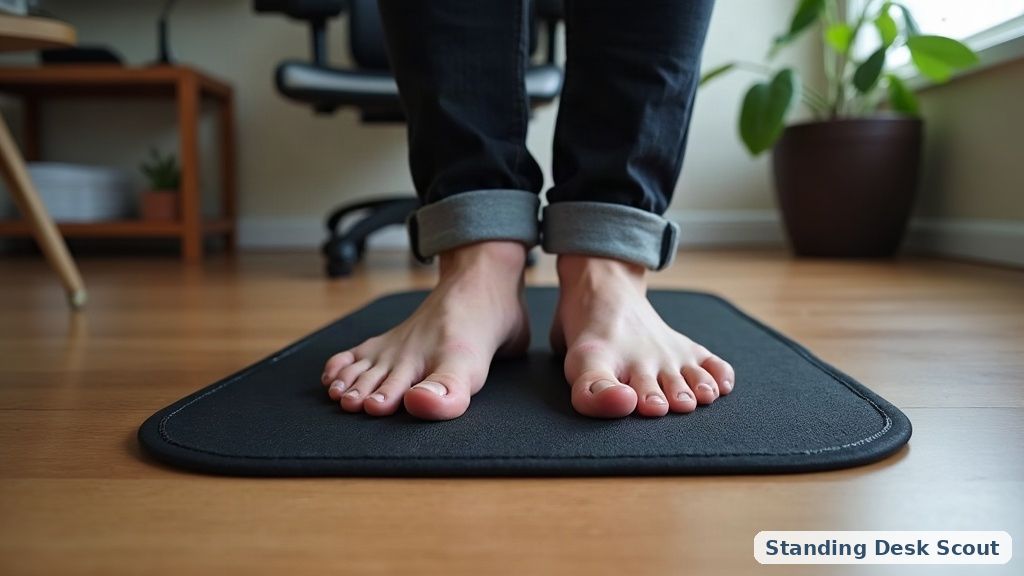
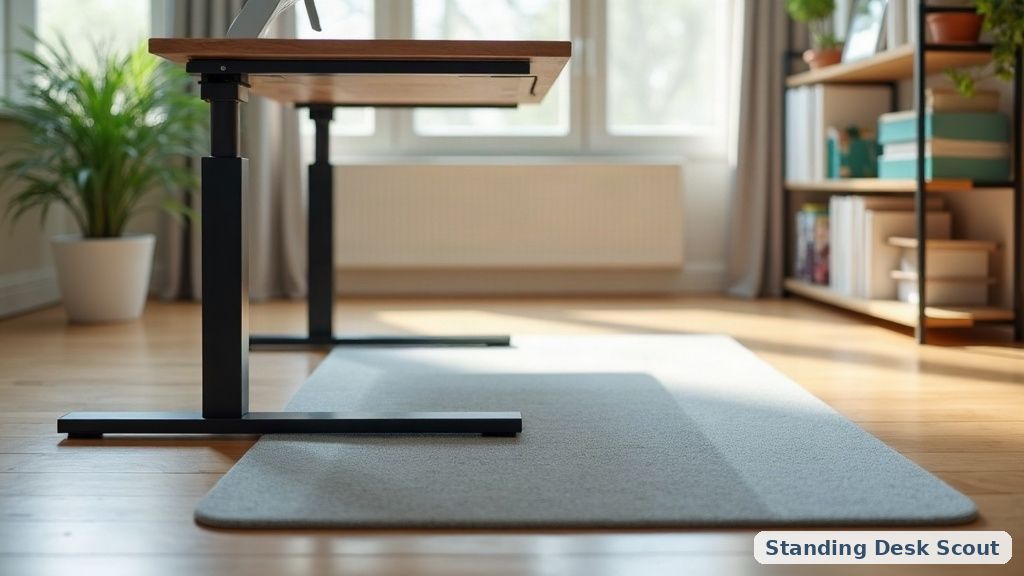
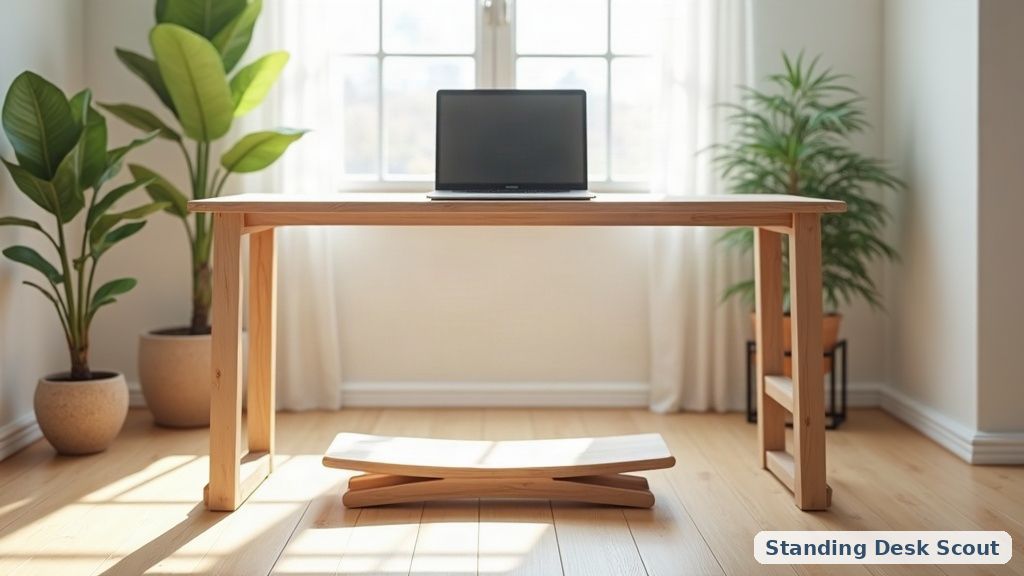
Hard floors plus static standing restrict circulation and fatigue your feet. The fixes: an anti-fatigue mat, supportive shoes (not barefoot on tile), and — most importantly — shifting your weight and moving rather than standing frozen. Micro-movements matter; our accessories guide covers mats and footrests, and desk stretches give quick resets that keep blood flowing.
Is a converter a gentler way to start?
It can be — a converter lets you keep your existing desk and dip into standing part-time, though a full electric desk makes switching effortless (which is what keeps the habit). We compare both in converter vs full desk; the best choice is the one you’ll actually raise and lower, because the health benefit is in the switching.
📚 Related In-Depth Analysis
- Compare findings with our guide on Standing Desk Stretches And Exercises.
- Compare findings with our guide on Standing Desk Vs Treadmill Desk.
📚 Related In-Depth Analysis
- Compare findings with our guide on Standing Desk Cable Management.
- Compare findings with our guide on Standing Desk Accessories Guide.
🔧 Interactive Planning Tool
Need exact measurements for your setup? Use our Ergonomic Desk & Monitor Sizing Engine to Calculate standing and sitting desk height ranges based on your exact body stature.
The bottom line
Transition to a standing desk gradually — start at 15–30 minutes per hour and build over a month — set your ergonomics correctly (elbows 90°, monitor at eye level), stand on an anti-fatigue mat, and above all alternate sitting and standing before you get sore. The benefit comes from moving between positions, not from standing the longest. Ramp it right and the desk becomes a habit instead of an expensive shelf.